
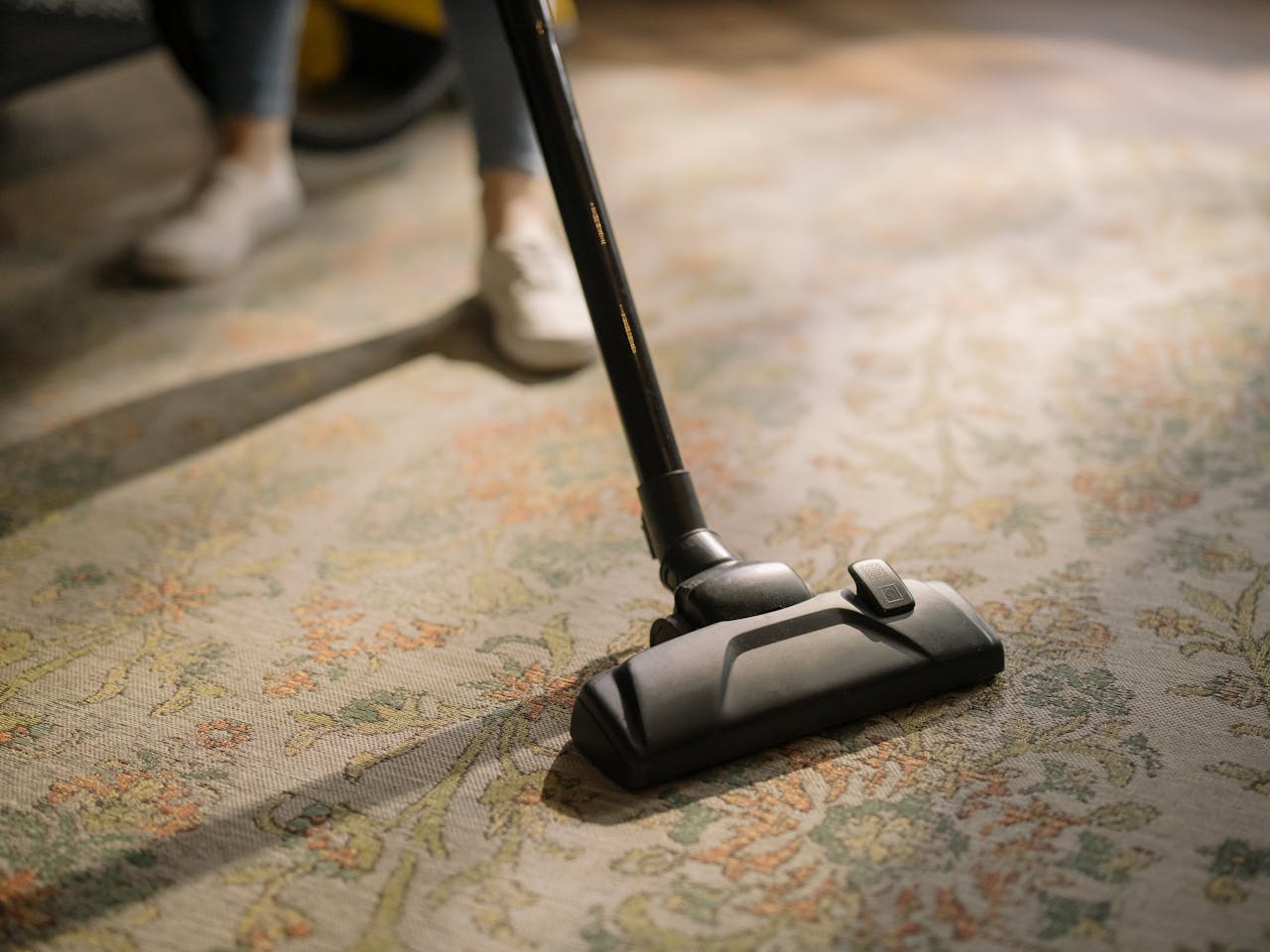
Your carpet quietly shapes how your home feels underfoot, from the warmth it holds on cold mornings to the calm it brings at the end of a long day.
Yet the way you clean it can either protect that comfort or slowly wear it away without you noticing.
Understanding the habits that cause harm allows you to take care of your carpet with confidence and preserve its texture, colour, and character over time.
-
Choose Products That Suit the Fibres
Cleaning products promise freshness and speed, yet not every solution suits every carpet.
Some formulas contain harsh ingredients that strip fibres of their natural resilience, leaving them brittle and fading long before their time.
You may notice colours losing depth or areas flattening where softness once lingered. These changes rarely happen overnight, which is why they are so easily overlooked.
With this in mind, selecting a cleaner designed for your specific carpet type matters more than brand claims or fragrance. Wool, synthetic blends, and natural fibres all respond differently to chemicals, moisture, and agitation.
A gentle product that matches the material cleans effectively while preserving structure. Before committing, testing a small hidden patch helps you spot any reaction early and avoid regret later.
Eco-friendly solutions can be especially useful here. They tend to clean without aggressive residues, leaving fibres feeling balanced rather than stripped.
Over time, this thoughtful approach maintains colour clarity and keeps the surface pleasant beneath your feet, even in busy households, while supporting a routine that feels easier to sustain.
-
Control Moisture to Protect Structure
Water feels essential to cleaning, yet too much of it can quietly undermine your carpet.
When fibres absorb excessive moisture, they can twist, weaken, or lose their natural alignment. The surface can dry unevenly, creating dull patches that disrupt the overall look.
Beneath the surface, lingering dampness can lead to odours and unhealthy conditions that affect indoor air.
Meanwhile, moderation makes all the difference. Using just enough water to lift dirt without soaking the backing helps the carpet recover its shape as it dries.
Efficient extraction is equally important, whether through careful blotting or a vacuum designed for moisture removal. The aim is to leave fibres clean, not waterlogged.
Dry conditions support this process. Cleaning on a clear day, opening windows for fresh air, or allowing soft airflow from a fan speeds drying and prevents issues from taking hold.
Over time, this balance between cleanliness and restraint preserves both appearance and comfort.
-
Treat Stains with Patience Instead of Force
A spill often sparks urgency, and the instinct to scrub can be strong. Yet vigorous rubbing pushes stains deeper into the fibres while fraying their surfaces.
The result is a worn patch that remains visible even after the mark has faded, catching the light differently from the rest of the carpet.
In the same spirit, patience proves more effective than pressure. Blotting draws liquid upward without spreading it, allowing the weaves to remain intact. Working from the outer edge of a stain to its centre keeps it contained and manageable.
Soft cloths and gentle brushes support this approach, lifting residue without tearing or roughening the pile.
Cold water plays a quiet role here as well. Heat can lock certain stains into place, turning a simple spill into a lasting reminder.
By slowing down and repeating gentle blotting as needed, you protect the carpet’s surface while achieving a cleaner result.
-
Build Consistent Habits for Lasting Cleanliness
Daily life brings grit, dust, and debris indoors, even when floors appear tidy.
Vacuuming removes these particles before they grind against fibres underfoot. Without this routine, dirt settles deeper, dulling colours and flattening textures in high-traffic areas.
Over time, consistency shapes results. Regular vacuuming paired with prompt attention to spills keeps carpets resilient and fresh. A vacuum with an appropriate brush setting lifts debris without excessive abrasion, supporting both cleanliness and comfort.
Annual deep cleaning is also important, especially in households with pets or children. It reaches what daily care cannot, restoring freshness and reducing allergens that affect air quality.
In this context, carpet cleaning professionals can provide a thorough reset, extending the life of your flooring while easing the demands of upkeep.
-
Match Tools to the Carpet’s Needs
Tools influence outcomes as much as technique. Powerful equipment may seem efficient, but for delicate fibres, it can cause stretching, thinning, or breakage.
A vacuum that allows adjustable suction offers flexibility, letting you tailor strength to the carpet rather than forcing the carpet to endure the tool.
Steam cleaners demonstrate a similar balance. When used correctly, they refresh the fibres and remove embedded grime. Used carelessly, with excessive heat or moisture, they risk distortion and long drying times.
Checking manufacturer guidance and limiting frequency ensures benefits without unintended damage.
Meanwhile, stiff brushes and beater bars often do more harm than good. Softer alternatives respect the carpet’s construction, cleaning effectively while preserving its surface.
Each carpet has its own tolerance, and choosing tools with care reflects an understanding of that individuality.
-
Adapt Your Approach as Carpets Age
Carpets change as the years pass, with the fibres softening, the backing relaxing, and frequently used areas showing quiet signs of wear.
Cleaning methods that suited a new carpet may no longer serve it well, as materials respond differently with age.
As a result, adapting your approach becomes essential. Gentler techniques, lighter moisture, and mindful product choices support older fibres without straining them.
Lowering suction strength and extending drying time can also help ageing carpets recover their shape more evenly after cleaning.
Paying attention to how the surface looks and feels once it has dried offers useful guidance for future care. Texture or resilience changes signal the need for additional adjustments.
In time, this attentiveness keeps your carpet aligned with the rhythm of your home.
Rather than resisting natural change, you work alongside it, preserving comfort, balance, and visual ease through thoughtful maintenance.
Conclusion
Caring for your carpet is less about effort and more about awareness at each stage of its life.
When methods align with material and condition, everyday cleaning becomes calmer, safer, and more effective.
With regular maintenance, your carpet will continue to support a home that feels comfortable, healthy, and well-kept.
